
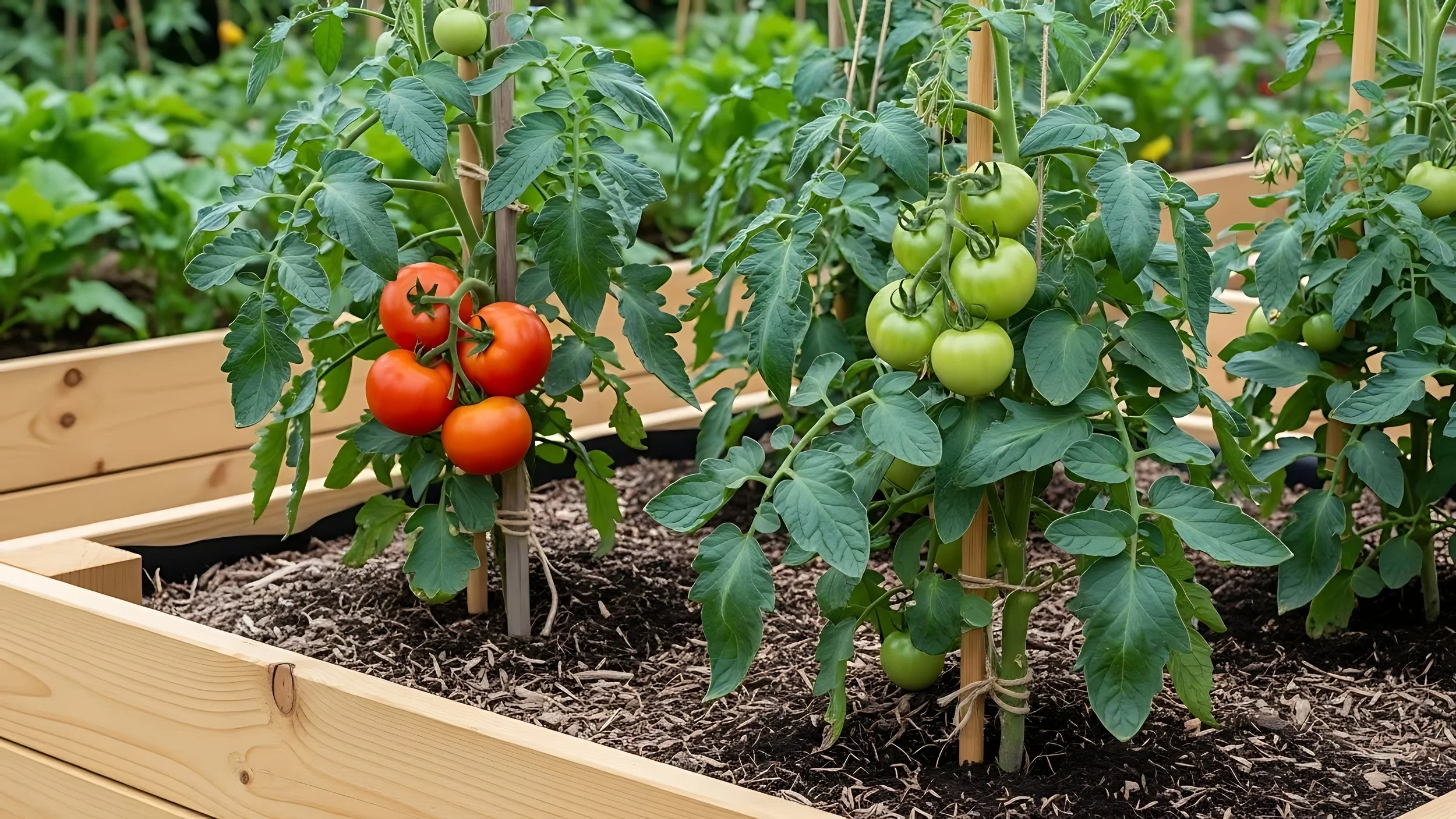
How to Build a Backyard Garden in Arizona
Creating a backyard garden in Arizona can be incredibly rewarding, but desert gardening comes with its own unique challenges. Between intense summer heat, poor native soil, and hungry rabbits, a successful garden requires more than simply planting vegetables in the ground and hoping for the best.
The good news? With the right planning and setup, you can grow a thriving backyard garden even in the Arizona desert.
Start With the Right Location
The most important factor when planning a garden is simple:
Location, location, location.
Many edible plants are sensitive to Arizona’s harsh afternoon sun. In most cases, the ideal placement for a backyard garden is:
• An east-facing exposure
• A north-facing exposure
• Areas with morning sun and afternoon shade
Morning sunlight is gentler and gives plants the energy they need without exposing them to the brutal late-day desert heat.
While some plants can tolerate full sun, such as rosemary, jalapeños, and certain chili peppers, many common herbs and vegetables struggle in direct afternoon exposure. Basil, for example, tends to burn quickly because of its delicate leaves.
When designing your landscape, think carefully about where shade naturally falls throughout the day. Nearby walls, trees, patio covers, or pergolas can make a major difference.
Raised Beds Are Often Worth It
If you’ve ever tried planting directly into Arizona soil, you already know the challenge.
Desert clay soil lacks many of the nutrients which is needed, yet things like salinity and high alkaline can be a detriment to some plants thriving. Raised garden beds solve several problems at once:
• Better soil control
• Improved drainage
• Easier pest management
• Protection from rabbits and small animals
Elevating your garden also helps keep critters from turning your vegetables into dinner.
Use High-Quality Gardening Soil and Compost
One of the biggest mistakes homeowners make is trying to use native Arizona soil alone.
Successful gardens here need:
• Gardening soil
• Compost
• Mulch
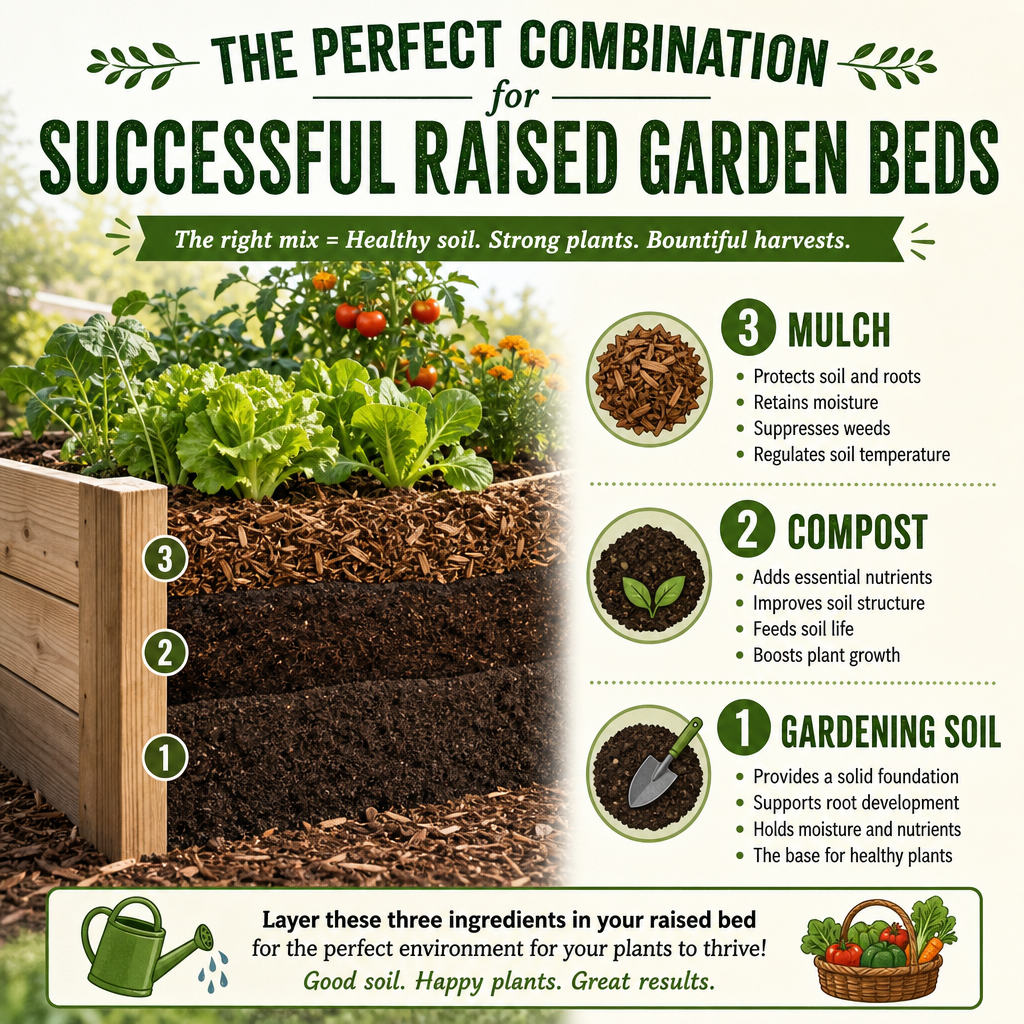
Compost adds nutrients and improves moisture retention, both critical in the desert climate. Many homeowners even create their own compost using:
• Eggshells
• Banana peels
• Fruit and vegetable scraps
• Watermelon rinds
Adding mulch on top of your soil also helps:
• Retain moisture
• Reduce soil temperature
• Prevent rapid evaporation
• Improve plant health
In Arizona, mulch is almost essential for long-term success.
Separate Your Garden Irrigation
Another common mistake is tying garden irrigation into the same watering zone as desert landscaping.
Gardens have completely different watering needs than shrubs and trees. Trying to “make it work” on the same irrigation valve often leads to inconsistent watering and struggling plants.
Instead:
• Create a dedicated irrigation zone for the garden
• Use separate emitters
• Customize watering schedules specifically for vegetables and herbs
The amount of water your plants need depends on:
• Plant type
• Soil composition
• Bed depth
• Season
• Sun exposure
Rather than guessing, it’s often helpful to visit a knowledgeable local nursery.
Work With Local Experts
Not all nurseries are created equal.
Many big box stores carry plants shipped in from other states, meaning they may not be acclimated to Arizona’s climate or soil conditions.
A local nursery like SummerWinds Nursery can help homeowners:
• Choose appropriate plants
• Select the right emitters
• Build watering schedules
• Troubleshoot pests and diseases
Experienced nursery staff understand what actually works in the desert, which can save homeowners time, money, and frustration.
Choose Garden Materials Carefully
The materials used for raised beds matter more than many people realize.
In Arizona, certain materials can absorb excessive heat and damage plant roots.
For example:
• Metal beds can become extremely hot
• Concrete block can retain heat
• Standard wood deteriorates quickly in desert conditions
Cedar and redwood tend to hold up better outdoors, but they can be expensive. Some homeowners also repurpose livestock water troughs as raised beds, though heat management is still important.
There’s no perfect solution, only tradeoffs. The key is understanding how materials interact with Arizona’s intense sun.
Expect Some Pests
Every garden attracts pests eventually.
In Arizona, common garden issues include:
• Caterpillars
• Aphids
• White flies
• Rabbits
Some homeowners prefer natural solutions over insecticides. Beneficial insects like praying mantises can help control pests, though they’ll only stick around if there’s a consistent food source.
One thing to remember: beneficial insects are “equal opportunity hunters.” Praying mantises may also catch bees and other pollinators.
The best approach is often regular observation. Catching pest issues early can prevent major damage later.
Arizona Gardens Can Thrive With Proper Planning
Backyard gardening in Arizona isn’t impossible; it just requires a desert-specific approach.
By focusing on:
• Proper placement
• Quality soil
• Raised beds
• Smart irrigation
• Heat management
…homeowners can create productive and beautiful backyard gardens that thrive even in extreme conditions.
With thoughtful planning and the right guidance, your Arizona backyard can become much more than desert dirt, it can become a thriving edible space your family enjoys year-round.
Ready to work with an expert on planning your backyard landscaping? Get a Free Consultation from Wildflower Desert Design.